


 3 July, 2026
 App & Website
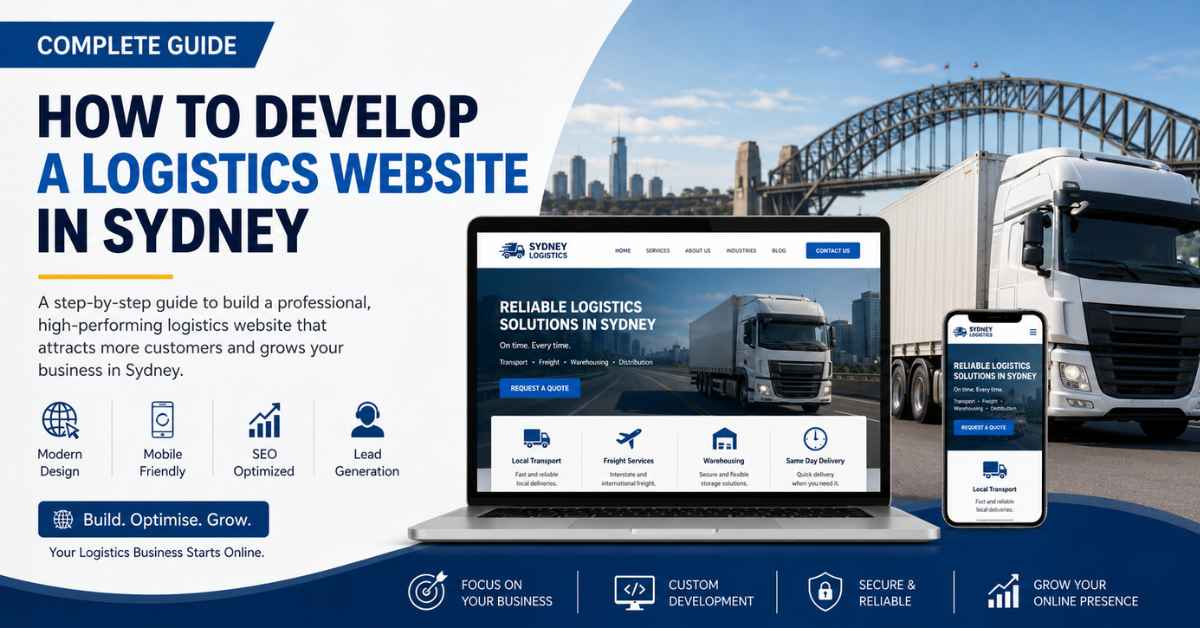
How to Develop a Logistics Website in Sydney
Having a professional website is no longer optional; it’s essential. Whether you operate a freight company, courier service, crane truck business, Hiab hire, warehousing facility, or transport company in Sydney, your website is often the first impression potential customers have of your business.
A well-designed logistics website does more than showcase your services. It helps you generate qualified leads, build trust, improve your search engine rankings, and convert visitors into long-term clients. With more businesses searching online for reliable transport and logistics providers, investing in a modern, SEO-friendly website can give your company a significant competitive advantage.
This guide explains everything you need to know about developing a successful logistics website in Sydney, from planning and design to SEO services and ongoing maintenance.
Why Your Logistics Business Needs a Professional Website
Many logistics companies still rely heavily on referrals and repeat customers. While these are valuable sources of business, they often limit growth. A professionally developed website allows you to reach a much larger audience.
Some of the key benefits include:
- Build credibility with potential clients
- Generate enquiries 24 hours a day
- Showcase your transport services professionally
- Improve visibility in Google search results
- Display customer reviews and case studies
- Differentiate your business from competitors
- Support your digital marketing and SEO campaigns
For businesses serving Sydney and surrounding areas, a website acts as your online sales representative, helping customers learn about your services before contacting you.
Define Your Business Goals Before Development
Before starting the website development process, it’s important to understand what you want your website to achieve.
Common goals include:
- Increasing quote requests
- Generating phone calls
- Promoting transport services
- Attracting commercial clients
- Building brand awareness
- Growing organic traffic through SEO
Your website structure, design, and content should all support these objectives.
Understand Your Target Audience
Every logistics company serves different customers. Understanding your audience helps you create a website that meets their needs.
Potential customers may include:
- Construction companies
- Manufacturing businesses
- Retailers
- Freight brokers
- Government organisations
- E-commerce businesses
- Individuals requiring transport services
Knowing who your customers are helps determine the type of content, imagery, and calls to action that should appear throughout your website.
Choose the Right Domain Name and Hosting
Your domain name should be simple, memorable, and closely related to your business.
For example:
- YourBusinessLogistics.com.au
- SydneyFreightExperts.com.au
- ABCTransport.com.au
Reliable Australian hosting is equally important. Fast hosting improves page speed, enhances user experience, and contributes to better Google rankings.
Don’t forget to install an SSL certificate so your website uses HTTPS. This protects customer information and builds trust.
Plan the Essential Pages
A professional logistics website should have a clear structure that makes it easy for visitors to find information.
a. Home Page
Your homepage should clearly explain:
- Who you are
- What services you provide
- Areas you service
- Why customers should choose your business
- How to request a quote
Include strong calls to action throughout the page.
b. About Us
Customers like to know who they’re working with.
Include information about:
- Company history
- Experience
- Mission
- Values
- Safety standards
- Team members
This helps establish credibility and trust.
c. Services
Create dedicated pages for each service rather than listing everything on one page.
Examples include:
- Local Transport
- Interstate Freight
- Same-Day Delivery
- Crane Truck Hire
- Hiab Truck Hire
- Warehousing
- Container Transport
- Heavy Machinery Transport
- Pallet Delivery
Individual service pages perform better for SEO because they target specific keywords.
d. Service Areas
Create separate pages for the suburbs and regions you serve across Sydney.
Examples include:
- Western Sydney
- North Sydney
- Eastern Suburbs
- Inner West
- Parramatta
- Liverpool
- Blacktown
- Penrith
Location pages help your business appear in local search results.
e. Contact Page
Your contact page should include:
- Phone number
- Email address
- Business address
- Contact form
- Google Map
- Business hours
Make it as easy as possible for customers to get in touch.
Design a Mobile-Friendly Website
More than half of website visitors now browse using smartphones.
Your logistics website should be fully responsive, meaning it adapts to all screen sizes.
A mobile-friendly website should feature:
- Large buttons
- Easy navigation
- Fast loading pages
- Click-to-call functionality
- Simple enquiry forms
Google also prioritises mobile-friendly websites in search rankings.
Include Features That Customers Expect
Modern logistics websites should include features that improve user experience and encourage enquiries.
Recommended features include:
- Online quote request forms
- Click-to-call buttons
- Fleet gallery
- Customer testimonials
- Frequently Asked Questions
- Live chat
- Google Maps integration
- Downloadable brochures
- Project portfolio
- Blog section
These features make your website more informative and user-friendly.
Optimise Your Website for Local SEO
A visually attractive website won’t deliver results if customers can’t find it.
Search Engine Optimisation (SEO) helps your logistics website rank higher on Google.
a. Target Local Keywords
Use keywords naturally throughout your website, such as:
- Logistics company Sydney
- Transport company Sydney
- Freight services Sydney
- Hiab truck hire Sydney
- Crane truck hire Sydney
- Warehousing Sydney
- Same-day delivery Sydney
Include these keywords in headings, page titles, meta descriptions, and content.
b. Create Location-Specific Pages
Instead of targeting Sydney as a whole, create dedicated pages for important service areas.
Examples include:
- Logistics Services Parramatta
- Freight Transport Blacktown
- Hiab Hire Penrith
- Crane Truck Hire Liverpool
This increases your chances of appearing in local searches.
c. Optimise Google Business Profile
Ensure your Google Business Profile includes:
- Accurate business information
- Updated photos
- Service categories
- Customer reviews
- Business hours
This helps improve visibility in Google Maps and local search results.
Showcase Your Fleet
Customers want to know you have the equipment to complete their project.
Include high-quality photos of:
- Trucks
- Hiab trucks
- Crane trucks
- Delivery vans
- Forklifts
- Warehousing facilities
Professional photography increases confidence and demonstrates your capabilities.
Build Trust with Social Proof
Trust plays a significant role in converting website visitors into customers.
Include:
- Google reviews
- Customer testimonials
- Case studies
- Industry certifications
- Insurance details
- Years of experience
- Safety compliance
- Completed projects
Displaying genuine customer feedback reassures potential clients that they are choosing a reliable logistics provider.
Publish Helpful Blog Content
Regular blogging is one of the best ways to improve your SEO while educating potential customers.
Some excellent logistics blog ideas include:
- How to Choose a Reliable Logistics Company in Sydney
- Benefits of Same-Day Delivery
- What Is a Hiab Truck?
- When Should You Hire a Crane Truck?
- Tips for Safe Freight Transport
- Warehouse Storage Best Practices
- How to Reduce Transport Costs
- Understanding Heavy Vehicle Regulations
Fresh content signals to Google that your website is active and authoritative.
Improve Website Performance
Website speed affects both user experience and search rankings.
To improve performance:
- Compress images
- Use fast hosting
- Minimise unnecessary plugins
- Enable browser caching
- Optimise CSS and JavaScript
- Implement lazy loading
- Improve Core Web Vitals
Fast websites reduce bounce rates and increase conversions.
Integrate Marketing Tools
Your website should support your overall marketing strategy.
Useful integrations include:
- Google Analytics
- Google Search Console
- Google Tag Manager
- Call tracking
- CRM software
- Email marketing platforms
- Live chat
- Conversion tracking
These tools help you understand visitor behaviour and improve marketing performance.
Prioritise Website Security
Cybersecurity should never be overlooked.
Protect your logistics website by:
- Installing SSL certificates
- Keeping plugins updated
- Using secure passwords
- Enabling regular backups
- Adding firewall protection
- Using spam prevention on contact forms
A secure website protects both your business and your customers.
Avoid Common Website Development Mistakes
Many logistics websites fail because of avoidable mistakes.
Common issues include:
- Slow loading pages
- Poor navigation
- Outdated content
- Missing calls to action
- Low-quality images
- Thin service pages
- Broken links
- No SEO strategy
- Difficult contact forms
- Ignoring mobile users
Avoiding these mistakes creates a better experience for visitors and improves your search rankings.
Keep Your Website Updated
Launching your website is only the beginning.
Regular maintenance ensures it continues performing well.
Update your website by:
- Publishing new blog posts
- Refreshing service pages
- Updating fleet photos
- Adding customer reviews
- Monitoring SEO performance
- Fixing technical issues
- Updating plugins and software
Consistent updates help maintain rankings and keep your business looking professional.
Why Work with a Professional Web Development Company in Sydney?
While website builders can create basic websites, professional Sydney web development that are optimised for performance, SEO, and lead generation.
An experienced web development company can provide:
- Custom website design
- SEO-friendly structure
- Fast loading speeds
- Mobile optimisation
- Secure development
- Ongoing maintenance
- Content strategy
- Local SEO expertise
This ensures your investment delivers long-term value and supports business growth.
Conclusion
Developing a professional logistics website in Sydney is one of the smartest investments you can make for your transport business. A well-planned website helps establish credibility, attract local customers, improve search engine rankings, and generate consistent enquiries.
From choosing the right domain name and designing dedicated service pages to implementing local SEO and showcasing your fleet, every element of your website contributes to your online success. Regular updates, strong security, fast performance, and valuable content ensure your website continues delivering results well into the future.
Whether you’re launching a new logistics company or upgrading an existing website, focusing on user experience, search engine optimisation, and clear calls to action will help your business stand out in Sydney’s competitive logistics market and drive sustainable growth.




 sales@appandwebsite.au
 1800 491 810